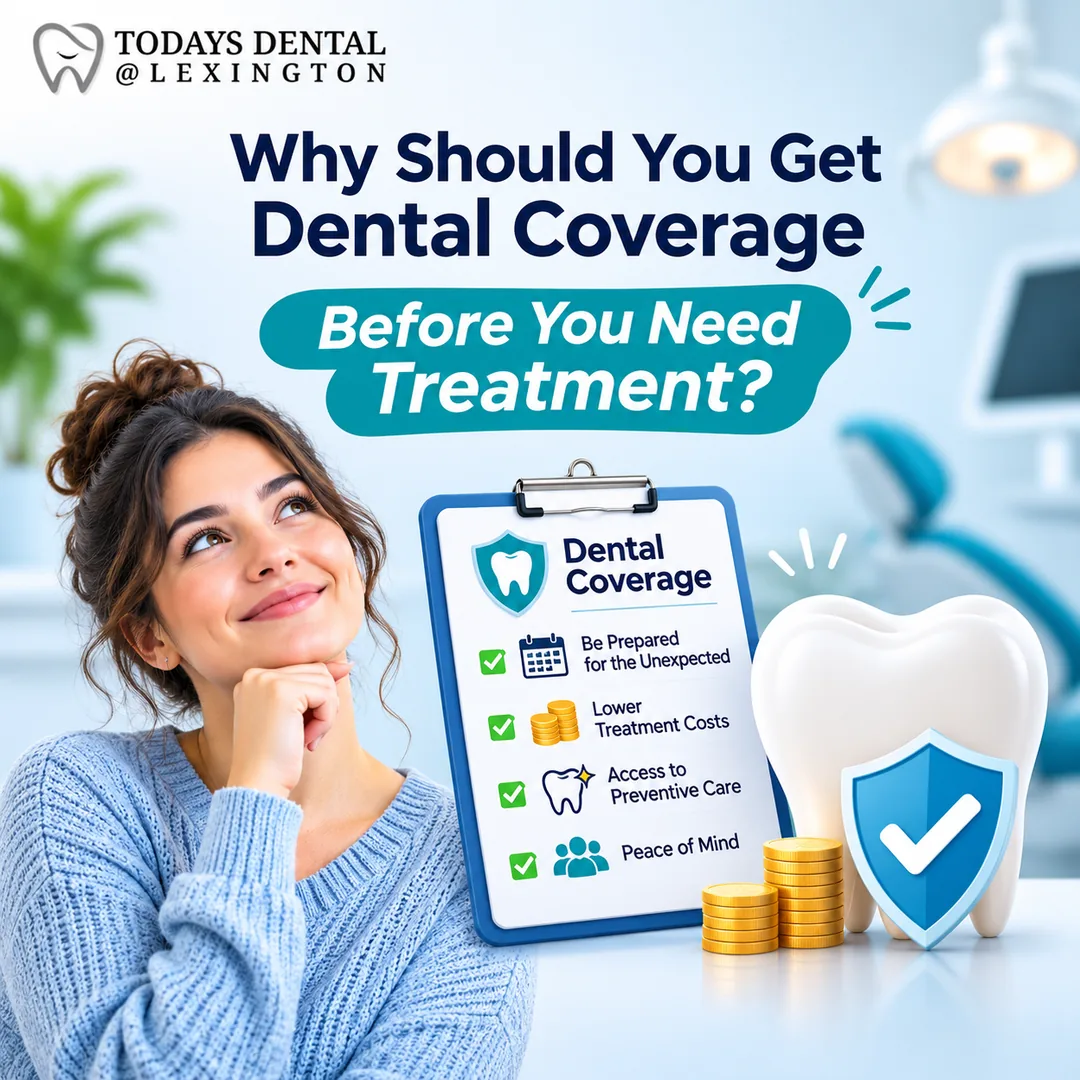
A person who looks for a dentist may wait until a tooth hurts, then panic. They face surprise bills, rushed choices, and stress, they want a quick fix, not a long plan. That habit often costs more money, and more pain, than regular care.
Many plans cover routine checkups at low or no cost, and individual dental insurance can make those visits easier to afford. Here you will know what dental plans pay for, how waiting periods work, and how to pick the right plan.
Getting dental coverage early can save money. It protects against surprise expenses when problems arise.
Surprise bills can break a budget fast. A person with dental coverage pays lower out-of-pocket costs for common repairs. Preventive care and routine checkups catch decay early, they stop small problems from growing into costly restorative services. Insurance benefits often cover cleanings and X rays, so co pays stay low.
Many plans list coverage limits and waiting periods for major work. Choosing in-network providers cuts fees further, patients pay less than with out of network care. A solid dental plan gives clear financial protection, it makes emergency care less stressful. People find steady care easier, and oral health improves.
Preventive care visits catch problems early, and they cost less than major treatments. Routine checkups, cleanings, and X-rays often appear as covered benefits, so out-of-pocket costs stay low. An in-network provider helps keep fees predictable, and patients get routine care before pain starts.
Dental coverage pays for many preventive services, which keeps oral health on track. People avoid surprise dental expenses, and they get faster access to routine care. Insurance benefits let families plan, save money, and choose restoration services if needed.
Dental insurance covers various services, like checkups and treatments. People can choose plans based on what they need most, from routine care to more extensive work.
Getting dental coverage early saves money, and it buys peace of mind.
| Service Category | Typical Procedures | Common Coverage | Usual Waiting Period | Out-of-Pocket Notes |
|---|---|---|---|---|
| Preventive | - Routine exams, cleanings, X-rays, sealants, fluoride. - Aimed at stopping problems before they start. | - Often covered at 80% to 100%, sometimes with no copay. - Two cleanings per year are common. | - Rarely any waiting period. - Coverage usually starts right away. | - Low out-of-pocket cost, if any. - Saves money by avoiding major work later. |
| Basic | - Fillings, simple extractions, minor repairs. - Fixes early damage, stops progression. | - Typically covers 70% to 80% after deductible. - Coverage limits may apply per year. | - Often a short waiting period, 3 to 6 months. - Some plans waive wait for urgent needs. | - Moderate co-payments possible. - Preventive care lowers need for these services. |
| Major | - Crowns, bridges, implants, root canals, dentures. - Restores function and appearance. | - Coverage commonly 50% to 60%, depending on plan. - Annual maximums often apply. | - Typical waiting period is 6 to 12 months. - Longer waits protect insurers, so plan ahead. | - Higher out-of-pocket costs are likely. - Pre-authorization helps avoid surprises. |
Coverage for preventive, basic, and major services is important. Yet, many do not understand waiting periods in dental insurance. These are the times you must wait before certain benefits kick in.
For instance, preventive care often starts right away. However, more extensive treatments might require a longer wait.
Waiting periods can last from a few months to a year. During this time, patients may need extra planning for costs or treatments they anticipate needing soon. Knowing these details helps people manage their oral health better.
Being aware of waiting periods allows them to keep track of when they are fully covered for all types of dental services.
Getting dental coverage early has many perks. First, it gives immediate access to preventive treatments that keep teeth strong. Second, having insurance can really cut down out-of-pocket costs for both routine and unexpected care. Your smile deserves the best care without breaking the bank!
Immediate access to preventive treatments is a significant advantage of having dental coverage. This means receiving routine checkups and cleanings without delay. Regular visits can catch problems early. Preventive care helps keep teeth healthy and smiles bright.
With insurance, services like X-rays and exams are easier to manage financially. Patients often enjoy reduced costs for these visits. Investing in dental coverage supports expenses and promotes better oral health overall. Staying proactive with preventive care can help avoid larger issues later down the line.
Dental coverage can lead to lower out-of-pocket costs. Insurance helps cover routine care and checkups, which prevents bigger problems later. Regular visits catch issues early, saving money on expensive treatments down the line. Most dental plans include benefits for preventive services like cleanings and exams.
Choosing a plan wisely also means knowing the coverage limits. Some policies have yearly caps on what they will pay, which is good to be aware of. Understanding in-network providers can help too; going to them often means reduced fees.
This all adds up to easier budgeting for dental expenses, allowing individuals to focus more on maintaining good oral health instead of worrying about bills that might arise from urgent treatments or emergencies ahead.
Better oral health starts with regular visits to the dentist. Preventive care helps catch problems early before they turn serious. When patients have dental coverage, they often seek routine checkups more regularly. This leads to cleaner teeth and gums and a lower risk of cavities or gum disease.
Having coverage also means access to necessary treatments without high out-of-pocket costs. It allows individuals to receive essential restorative services if needed, ensuring good oral health over time. A healthy mouth contributes greatly to overall well-being, making life much easier and happier.
Good oral health plays a key role in overall well-being. Poor dental care can lead to severe issues like heart disease and diabetes. Regular checkups help catch problems early. This prevents more significant health risks later on.
Having dental coverage supports better habits, like routine cleanings and preventive care. These actions often lead to lower out-of-pocket costs down the road. A healthy mouth contributes to overall body health, making it easier for people to maintain active lives. Investing in dental coverage offers financial protection while also promoting good oral hygiene practices.
Choosing the right dental plan can feel tricky. Look for a policy that covers what you need. Check for preventive care and routine checkups, too. Think about your budget and coverage limits before deciding.
People should know plan types before they sign up.
| Plan Type | How It Works | Pros | Cons | Best For |
|---|---|---|---|---|
| PPO (Preferred Provider Organization) |
|
|
|
|
| DHMO (Dental Health Maintenance Organization) |
|
|
|
|
| Indemnity (Traditional Fee-for-Service) |
|
|
|
|
| Discount Plans / Dental Savings |
|
|
|
|
| Preventive-Only Plans |
|
|
|
|
| Medicaid and Medicare Notes |
|
|
|
|
Choosing a dental policy is important for maintaining oral health. One must consider several key aspects before making a decision.
Getting dental coverage before you need treatment is like having an umbrella on a cloudy day; it's better to be prepared. Coverage helps lower costs for procedures, keeping your wallet happy when unexpected issues arise.
Having dental insurance early means you can catch problems sooner and avoid costly surprises later. Regular check-ups become more affordable, which keeps your teeth in tip-top shape and prevents bigger issues down the line.
Absolutely! Investing in dental coverage now can save you big bucks later. Without it, even routine visits or simple treatments can add up quickly, leaving you wishing you'd taken action earlier.
Waiting until you're in pain is like waiting for the storm to hit before finding shelter; not a smart move! Many plans have waiting periods or won't cover existing issues right away, so it’s best to act while everything's still smooth sailing.
Tell us a little about what you need — we'll be in touch shortly.
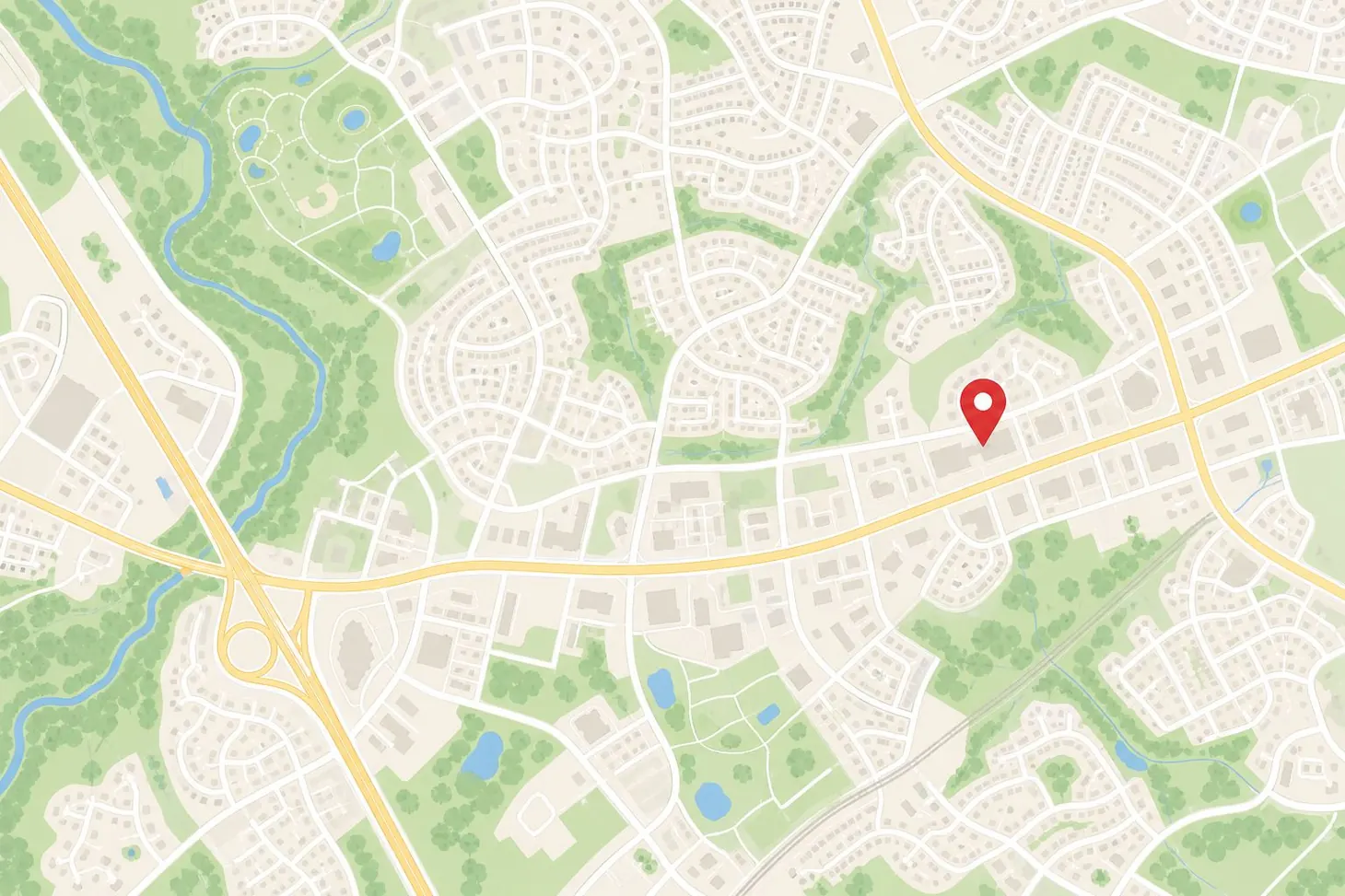
458 Old Cherokee Rd suite 100, Lexington, SC 29072, United States
Hi! I'm Tooth fairy! Your AI Assistant Ask me anything