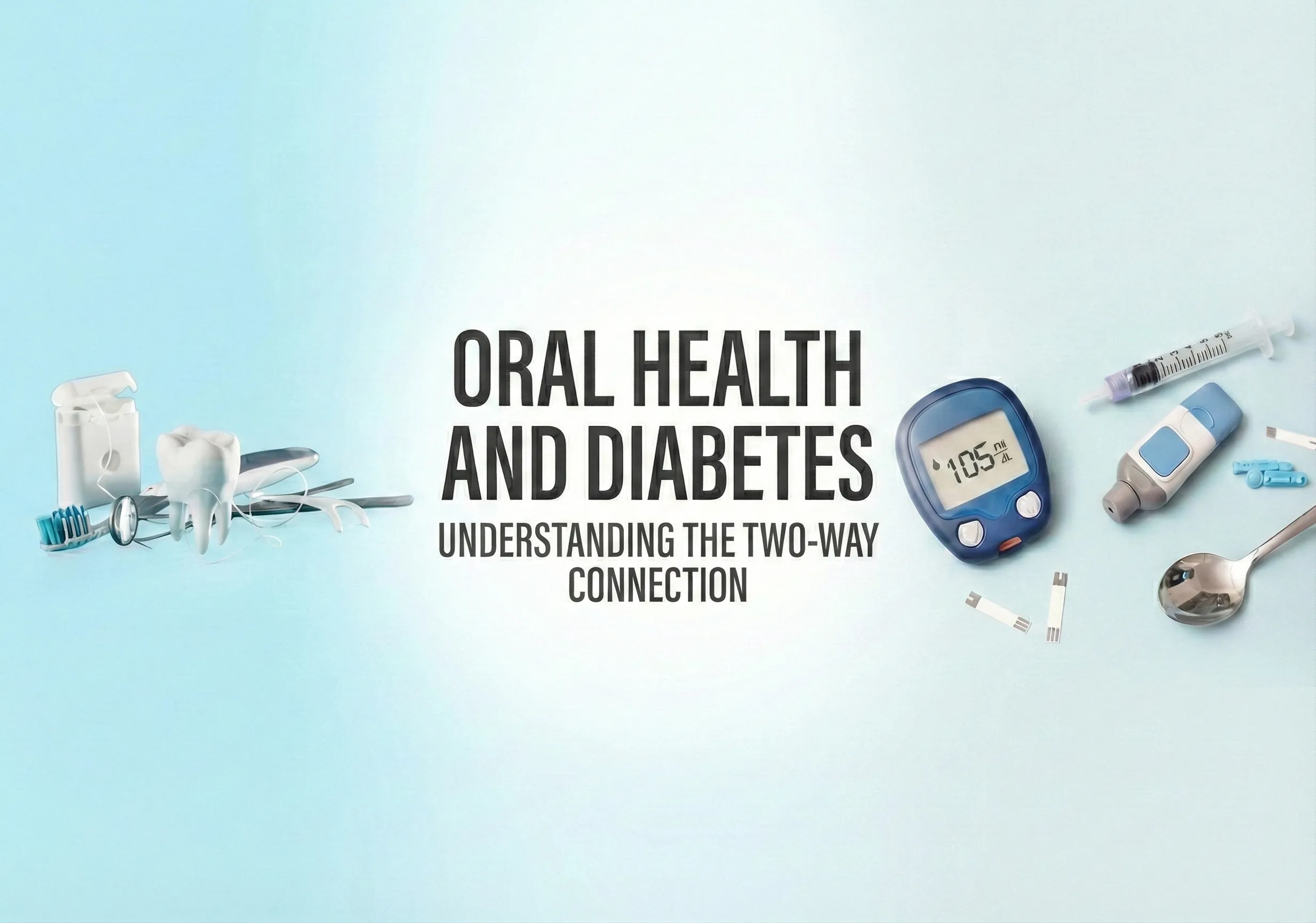
Oral health and general health are closely connected, and diabetes is one condition where this relationship becomes especially important.
Research over the years has established a strong link between diabetes and oral health, particularly gum and periodontal diseases.
At Todays Dental Lexington, we help patients understand how diabetes can affect the mouth—and how oral diseases can, in turn, impact blood sugar control and overall health.
Inflammatory conditions in the mouth, especially periodontal (gum) diseases, do not remain limited to the oral cavity.
Studies have shown that chronic oral inflammation can contribute to an altered systemic inflammatory state.
This increased inflammatory burden has been associated with:
Diabetes and periodontal disease influence each other in a bidirectional manner:
This cycle can make both conditions harder to manage if oral health is neglected.
Diabetes is a condition characterized by abnormally high blood glucose levels, caused by a combination of hereditary and environmental factors.
Diabetes can lead to acute complications, such as severe glucose imbalance that may result in coma or death if unmanaged.
Long-term complications include microvascular damage and impaired normal body function.
Diabetes affects the body’s ability to respond to infection, inflammation, and wound healing.
These changes have a direct effect on oral tissues.
Common oral and dental effects include:
Because diabetic patients may have increased bleeding time and delayed healing, dental treatments are not advised when blood sugar levels are poorly controlled.
People with Type 1 diabetes require lifelong insulin therapy.
Type 2 diabetes is managed through a combination of lifestyle changes, exercise, medications, and supplements.
Regardless of the type, maintaining good oral hygiene and regular dental checkups plays a crucial role in reducing inflammation and supporting better glycemic control.
At Todays Dental Lexington, we understand the unique dental needs of patients with diabetes.
Our team focuses on preventive care, early identification of gum disease, and safe dental planning tailored to each patient’s medical status.
If you have diabetes and notice bleeding gums, loose teeth, or delayed healing in your mouth, schedule a consultation with Todays Dental Lexington today.
Managing diabetes includes managing your oral health.
Raised blood sugar weakens the body response to infection and reduces blood flow to the gums, so plaque bacteria cause more damage. People with diabetes develop gum disease more often and more severely, heal more slowly after dental procedures, and face higher rates of dry mouth, oral thrush, and tooth decay than others.
Yes, the relationship runs both ways. Severe gum inflammation releases inflammatory mediators into the bloodstream that can increase insulin resistance and make glucose levels harder to stabilise. Studies have found that treating periodontal disease often improves glycaemic control, which is why dental care is considered part of managing diabetes rather than separate from it.
High blood sugar increases urine output and fluid loss, and it can also affect the nerves and small blood vessels supplying the salivary glands, so less saliva is produced. Some medications add to the effect. Because saliva neutralises acid and washes away food debris, a dry mouth raises the risk of decay and infection.
Yes, and mention how well controlled it is, your recent readings, and any medications you take. That information shapes appointment planning, healing expectations after procedures, and how closely your gum health is monitored. It also helps the dental team recognise early changes that may reflect blood sugar drifting out of range.
Tell us a little about what you need — we'll be in touch shortly.
458 Old Cherokee Rd suite 100, Lexington, SC 29072, United States

Hi! I'm Tooth fairy! Your AI Assistant Ask me anything